
 +372 555 85 999
 info@ecoslider.com
5 Tips to Protect Greenhouse Plants
5 Tips to Protect Greenhouse Plants
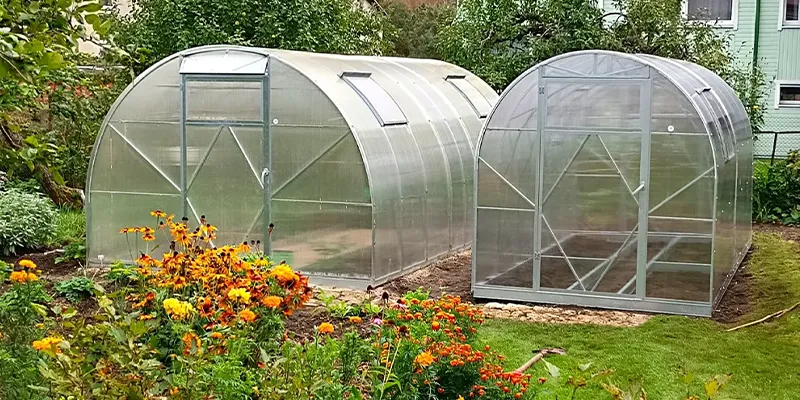
A greenhouse is an ideal environment for successful plant cultivation. However, even in greenhouse conditions, both plants and soil are susceptible to disease. Protecting them is a season-long task. That’s why we’ve compiled effective ways to safeguard your crops from unpleasant surprises — especially relevant in August and September.
Content
1. Preventing and Controlling Plant Diseases
The key is regular inspection of your plants: check their general appearance, and look for mold or pest larvae.
Sanitary pruning helps remove damaged or diseased parts of plants to improve appearance and prevent the spread of infections.
Foliar feeding with micronutrients strengthens the plant’s immune system and boosts resistance to disease.
Biological products containing beneficial microorganisms or natural fungicides can help combat pathogens without harming the environment or beneficial insects.
Natural predators can help control pest populations. Introduce parasitic insects, such as predatory mites that feed on spider mites.
2. Insect Control (Whitefly, Aphids)
For best results, use a combination of methods.
Whitefly in the greenhouse:
- Inspect plants regularly for adult whiteflies and their eggs. If found, remove them manually.
- Install sticky traps to attract and catch whiteflies.
- Shake plants occasionally so whiteflies take flight and get caught on the traps.
- If the infestation spreads, use biological insecticides or chemical treatments, following manufacturer instructions.
Aphids in the greenhouse:
- Spray plants regularly with soapy water (avoid household soap).
- Use bacterial insecticides, or apply chemical ones if the infestation is severe—always follow usage guidelines.
3. Mold Control
Mold forms when humidity is high due to poor ventilation or excessive watering.
You can eliminate mold using the following methods:
- Bacterial products.
- Chemical treatments (fungicides).
- Homemade solutions:
- Diluted milk can be sprayed on plants due to its natural antimicrobial properties.
- A mix of baking soda and vegetable oil serves as a natural antifungal spray.
- Hygiene: regularly remove plant debris, fallen leaves, and any materials that may promote mold growth.
4. Greenhouse Climate Control
Ventilation:
Ventilate the greenhouse regularly, especially after rain or watering. Good airflow prevents excess moisture and lowers the risk of fungal infections.
Ecoslider greenhouses are designed for easy ventilation: two doors at each end, windows in and above the doors. Additional roof vents can be added—optimal ventilation is achieved when one vent is installed for every 2 meters of greenhouse length.




Fertilizing:
Feed plants with the right dose of nutrients. Over-fertilizing can weaken plants and make them more vulnerable to disease.
Moderate watering:
Avoid overwatering, especially at night. Excess moisture encourages disease. Use bed zoning and automatic irrigation systems with different watering modes for different plant groups.
Our store offers Irrigatia and Hunter automatic irrigation systems.



5. How to Grow Tasty Tomatoes and Cucumbers
Sweet Tomatoes:
To grow sweeter tomatoes, use fertilizers rich in potassium and nitrogen, along with organic fertilizers like compost and manure. Balanced mineral fertilizers and biostimulants containing amino acids and micronutrients can improve flavor. Mulching helps maintain soil moisture. A solution of Epsom salt enriches fruit with magnesium, while crushed banana peel adds potassium.
Bitter-Free Cucumbers:
Choosing a low-bitterness variety is key, along with ensuring even, moderate watering and avoiding waterlogging. Maintain optimal temperature and lighting. Regularly remove bitter fruits and support plant health with proper feeding and care.
If you enjoyed this article or found it helpful, save it to your favorites and share it with friends who also grow plants in greenhouses.