
 +372 555 85 999
 info@ecoslider.com
Preparing Soil and Plants for Transplanting into Garden Beds
Preparing Soil and Plants for Transplanting into Garden Beds
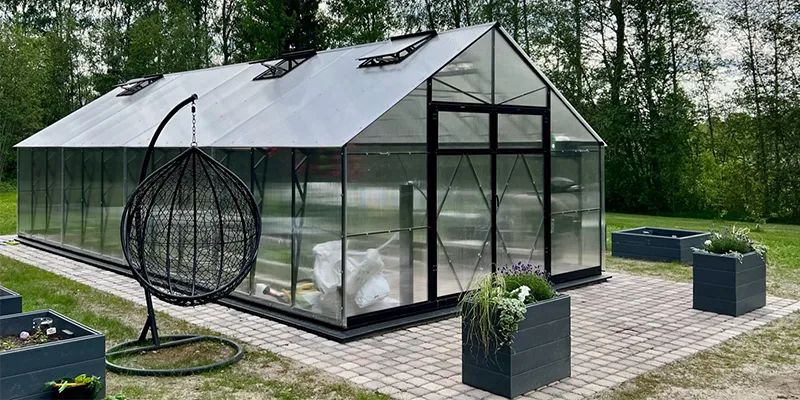
As the warm days of May arrive in Estonia, it’s time to prepare garden beds for planting your favorite summer crops—tomatoes, peppers, and cucumbers. Proper bed preparation is key to a healthy and abundant harvest. In this article, we share helpful tips for preparing the soil and creating optimal conditions for these plants to grow and thrive.
1. Choosing the Location and Preparing the Soil
Choosing the Location: Tomatoes, peppers, and cucumbers thrive in sunny, wind-protected areas. The ideal bed placement is on the south or southwest side of your plot, where plants can receive maximum sunlight.
Soil Preparation: These crops prefer fertile, loose, and well-drained soil. To improve soil structure and fertility, follow these steps:
- Digging: Start by digging the soil to a depth of 20–30 cm to break up compacted areas and provide oxygen access to the roots.
- Adding Organic Matter: Mix in compost or well-rotted manure at a rate of 5–10 kg per square meter. This enhances soil fertility and improves moisture retention.
Mineral Fertilizers: Apply a balanced fertilizer containing nitrogen, phosphorus, and potassium—essential nutrients for plant growth. Avoid over-fertilizing, as it can harm the plants.
2. Bed Formation
Raised Beds: To help the soil warm up faster and prevent water stagnation, form raised beds 20–30 cm high, or dig down and backfill with fertile soil to the same depth.
Bed Width: The optimal bed width is 60–80 cm, which allows easy plant placement and care. Leave paths between beds 30–40 cm wide for comfortable movement.
Peenarde paiknemine (Bed Layout Options):
- II – two side beds
- U – two side beds and one end bed
- IOI – two side beds and one center island
- E – two side beds, one end bed, and one center island
3. Sowing and Transplanting Seedlings
Seedling Preparation: Before transplanting into open ground, harden off your seedlings. Begin taking them outdoors 7–10 days in advance, gradually increasing the time spent outside.
Transplanting: Plant seedlings on a cloudy day or in the evening to reduce transplant stress. Train cucumbers on vertical trellises or supports to save space and improve air circulation, which helps prevent disease. Herbs like basil, mint, rosemary, and parsley can be planted nearby—they not only decorate your garden but also help repel pests.
Recommended Spacing Between Plants:
- Tomatoes: 50–60 cm between plants in a row, 60–70 cm between rows
- Peppers: 40–50 cm between plants in a row, 50–60 cm between rows
- Cucumbers: 30–40 cm between plants in a row, 60–70 cm between rows
- Herbs: 20–30 cm between plants in a row
4. Plant Care
Watering: Regular watering is essential for plant growth. Water at the root, avoiding the leaves. Our new Micro Drip 15 autonomous irrigation system is ideal—it delivers water directly to the root zone.
Mulching: Apply mulch around plants using organic materials such as straw, compost, or leaves. This helps retain moisture and suppress weeds.
Feeding:Feed your plants every 2–3 weeks using balanced mineral fertilizers or organic infusions (such as nettle tea).
By following these simple yet essential recommendations, you’ll create the perfect environment for growing tomatoes, peppers, and cucumbers—and enjoy a rich, healthy harvest all summer long.