


What Fertilizers Do Estonian Gardeners Use
What Fertilizers Do Estonian Gardeners Use
An Overview of the Most Popular Fertilizer Options
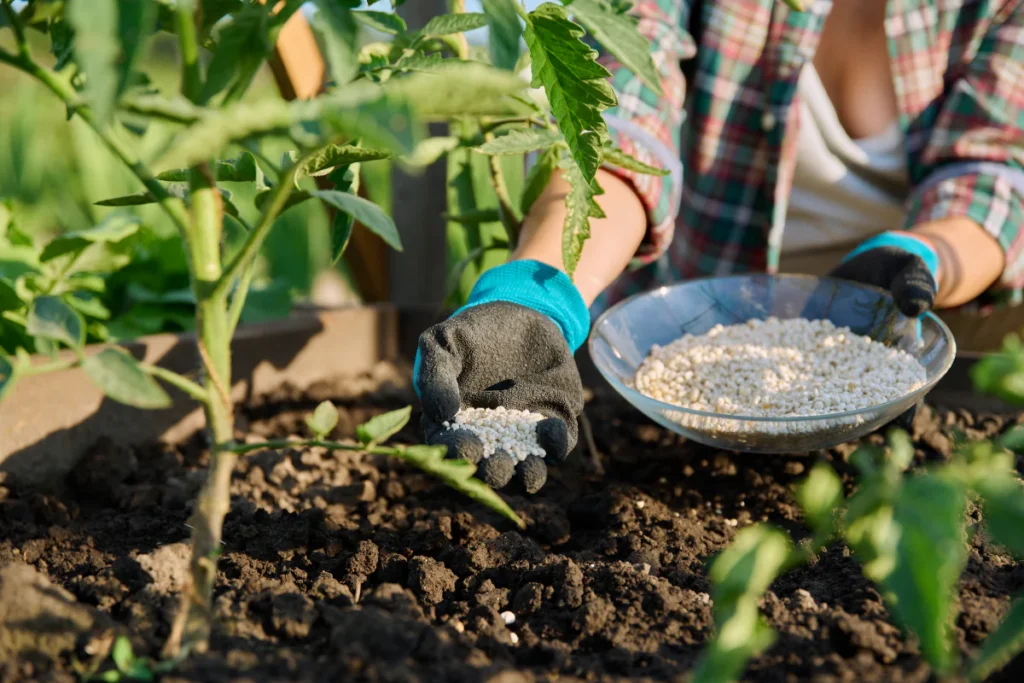
Every gardener wants to achieve a healthy, abundant harvest, but the path to that goal is different for everyone. Some rely on traditional, time-tested methods, while others prefer modern fertilizers available from specialist garden stores. Many gardeners successfully combine both approaches.
In Estonia’s short growing season, where a greenhouse often determines the success of the entire summer harvest, choosing the right fertilizer becomes especially important.
We have prepared an overview of the most popular types of fertilizers currently used by greenhouse and garden owners in Estonia, along with their main advantages and disadvantages.
Traditional Fertilizers: Time-Tested Methods
Traditional fertilizing methods remain the most common choice among homeowners and gardeners. They are valued for their affordability, natural origin, and the experience passed down through generations.
Compost
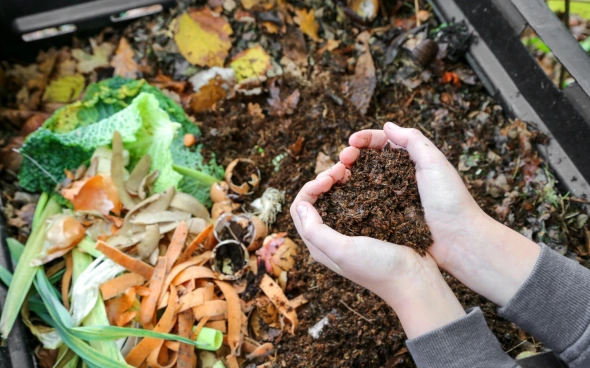
Compost is made from food waste, grass clippings, leaves, and other organic materials. It improves soil structure, helps retain moisture, and gradually enriches the soil with essential nutrients. Compost is especially appreciated for being a natural, long-term solution that enhances overall soil health.
Disadvantages:
- Requires dedicated space for composting.
- The composting process takes several months before it is ready to use.
- The exact nutrient composition is difficult to control and may vary from batch to batch.
Nettle Fertilizer
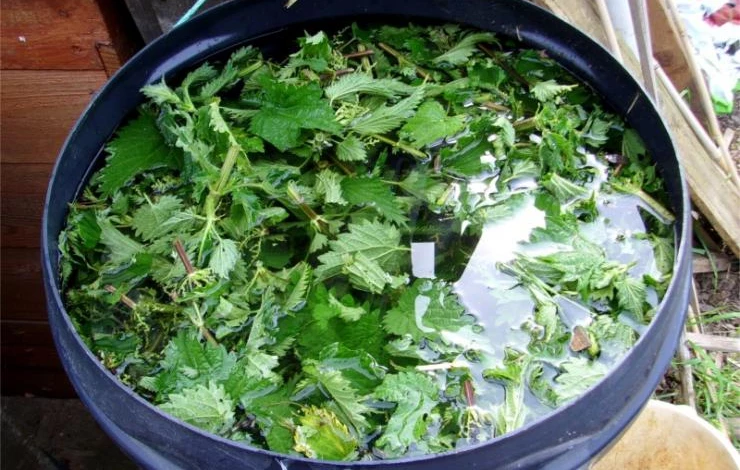
Nettle fertilizer is one of the most popular traditional plant feeds used by gardeners in Estonia. Rich in nitrogen and trace elements, it promotes vigorous leafy growth and is commonly applied to tomatoes, cucumbers, zucchini, and other vegetable crops. However, preparing it requires time and regular attention.
Disadvantages:
- Time-consuming to prepare.
- Has a strong, distinctive odor.
- It is difficult to achieve a consistent nutrient concentration in every batch.
Wood Ash
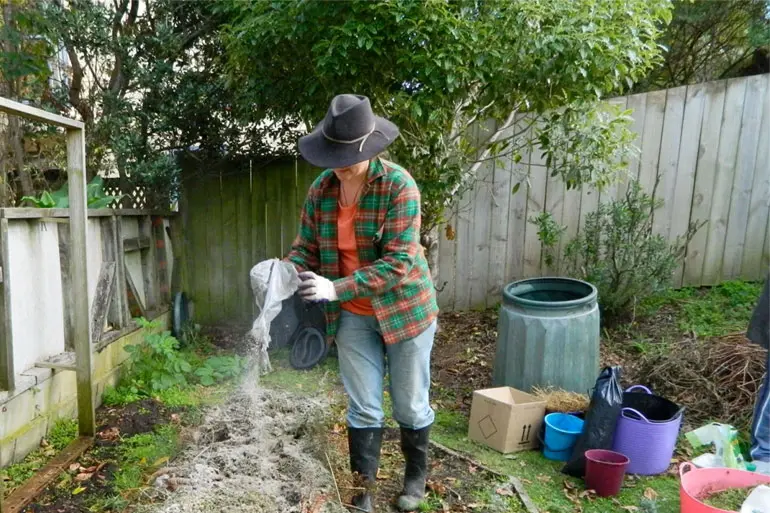
Wood ash has been used by gardeners for generations as a natural fertilizer. It contains potassium, calcium, magnesium, and a range of essential trace elements that support healthy plant growth. It is particularly popular for tomatoes, cucumbers, strawberries, and fruit crops. In addition, wood ash helps reduce soil acidity, making it beneficial for acidic soils.
Disadvantages:
- Contains little to no nitrogen.
- Not suitable for all soil types.
- Should be used in combination with other fertilizers to provide balanced nutrition.
- Requires careful application, as excessive amounts can alter the soil’s pH.
Eggshells
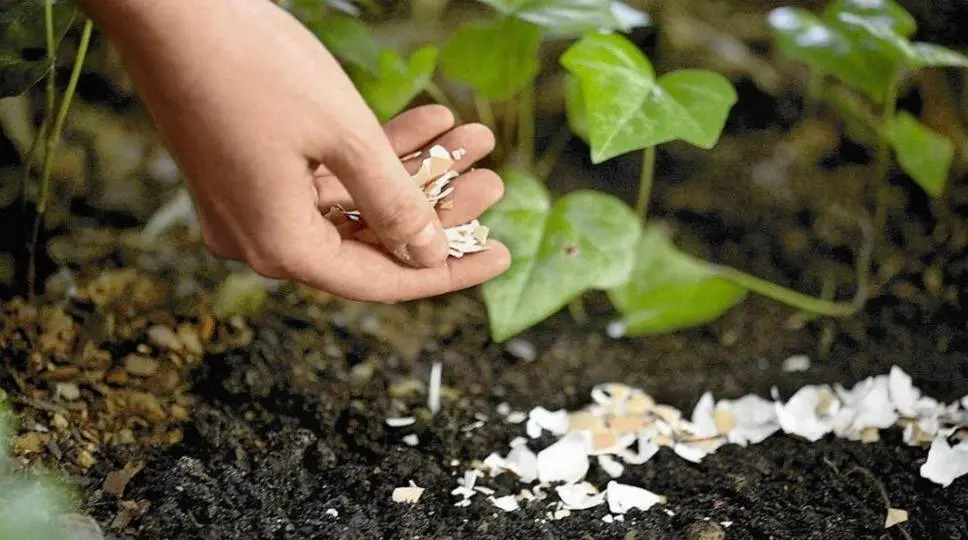
Eggshells are an affordable natural source of calcium and are widely used in home gardens and greenhouses. They can be added to compost, mixed into the soil during planting, or crushed and applied as a soil amendment for crops that are sensitive to calcium deficiency. Eggshells are particularly popular among gardeners growing tomatoes and peppers, as calcium plays an essential role in healthy fruit development and strong root growth.
Disadvantages:
- Releases nutrients slowly.
- Requires crushing and preparation before use.
- Cannot replace a complete, balanced fertilizer.
Manure and Well-Rotted Manure
Manure and well-rotted manure remain among the most nutrient-rich organic fertilizers available. They enrich the soil with organic matter, improve its structure, and promote the development of beneficial soil microorganisms. The most commonly used types are cow, horse, and poultry manure, although well-rotted manure is recommended for most crops. Fresh manure contains a high concentration of nutrients and can damage plant roots, so it is typically applied well before planting or only after thorough composting.
Disadvantages:
- Fresh manure can damage plants.
- Requires proper storage and handling.
- May produce an unpleasant odor.

Organic Fertilizers: Natural and Convenient
In recent years, more and more gardeners have been choosing commercially produced organic fertilizers. They offer the benefits of organic gardening while being easier to store, apply, and use consistently.
Organic Fertilizer Pellets
Pelletized fertilizers made from compost, poultry manure, or other natural ingredients provide the advantages of organic nutrition in a convenient form. They have little to no strong odor, gradually release nutrients into the soil, and feed plants over an extended period. They are also easy to store and apply.
Disadvantages:
- More expensive than traditional homemade compost.
- Nutrients are released gradually, so results are not immediate.
Vermicompost
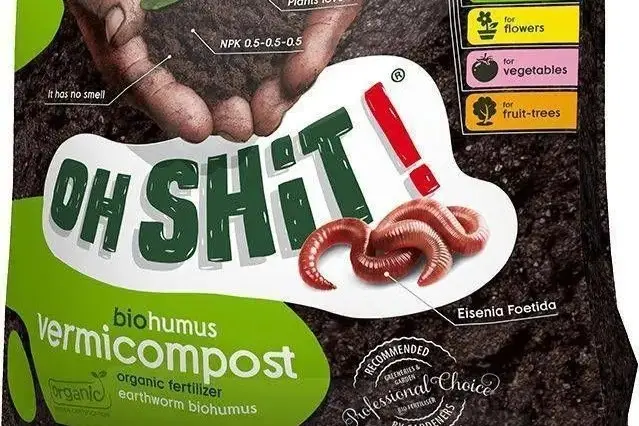
Vermicompost is an organic fertilizer produced through the decomposition of organic waste by earthworms. It is considered one of the most valuable natural fertilizers due to its high content of nutrients, humic acids, and beneficial microorganisms. Vermicompost improves soil structure, stimulates root development, and helps plants absorb nutrients more efficiently. It is widely used for growing vegetables, herbs, berries, flowers, and seedlings. Many gardeners appreciate vermicompost for its environmentally friendly nature, lack of unpleasant odor, and suitability for both outdoor gardens and greenhouses.
Disadvantages:
- More expensive than many other organic fertilizers.
- Large growing areas may require a considerable quantity of product.
Mineral Fertilizers: Fast and Visible Results
Mineral fertilizers remain the most popular category of commercially available fertilizers in Estonia. They are widely used for tomatoes, cucumbers, strawberries, and many other crops during periods of active growth and fruit production. Mineral fertilizers quickly replenish nutrient deficiencies and allow gardeners to precisely manage plant nutrition.
Manufacturers offer a wide range of specialized formulations:
Nitrogen fertilizers (e.g. ammonium nitrate, urea) – promote vigorous stem and leaf growth.
Phosphorus fertilizers (e.g. superphosphate) – strengthen the root system and encourage flowering and fruit development.
Potassium fertilizers (e.g. potassium sulfate) – improve plant resistance to diseases and cold, while enhancing crop quality.
Compound fertilizers (e.g. nitrophoska, azophoska) – contain two or three essential nutrients in a single granule, providing balanced plant nutrition.
Disadvantages:
- Application rates must be followed carefully.
- Overapplication can damage plants.
- They do not improve soil structure or increase organic matter.
Liquid Fertilizers: A Modern Approach to Plant Feeding
Liquid fertilizers are becoming increasingly popular among owners of modern greenhouses. They can be applied either by manual watering or through drip irrigation systems. They are easy to measure, quickly absorbed by plants, and provide fast nutritional support during periods of active growth and fruit production.
Disadvantages:
- Require more frequent application than slow-release fertilizers.
- The correct dilution ratio must be followed to avoid over- or under-feeding.
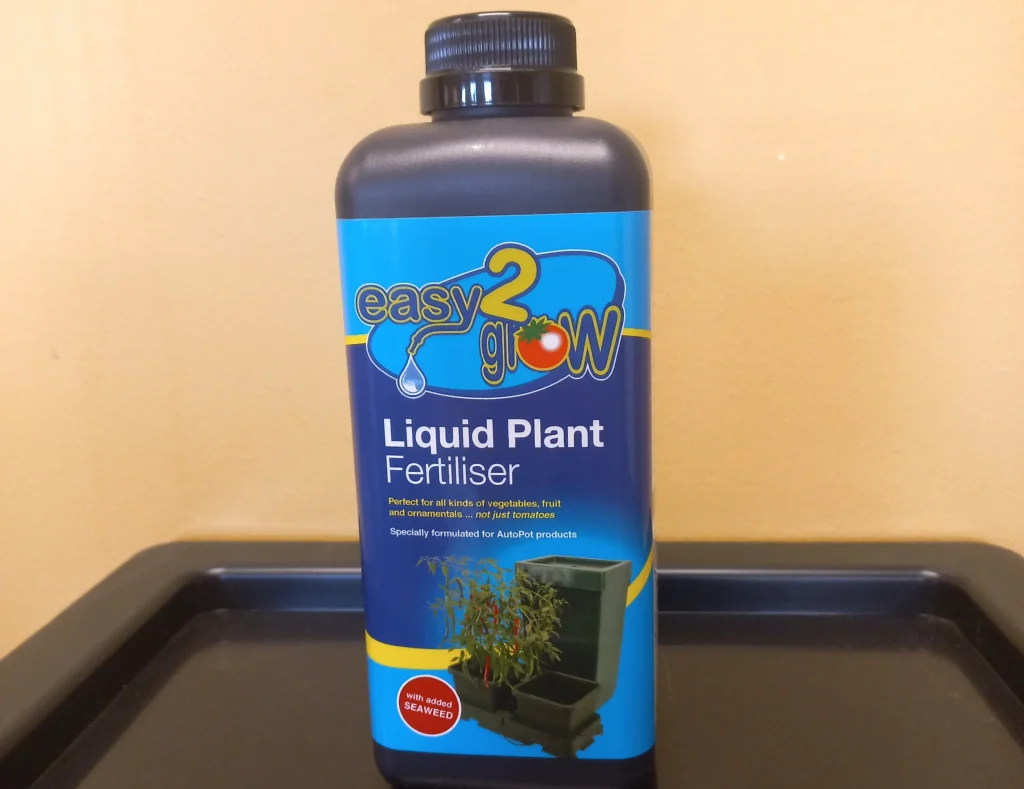
In our store, you can purchase Easy2Grow Liquid Plant Fertiliser (AutoPot), 1L, a high-quality liquid fertilizer manufactured in the United Kingdom. It contains a balanced blend of nutrients and organic plant acids, is suitable for all stages of plant growth, and dissolves completely in water. One litre of fertilizer is sufficient to prepare 100–200 litres of nutrient solution, depending on the growth stage of the plants.
For effortless and even nutrient distribution, we also offer complete drip irrigation systems, making plant feeding more efficient while saving both time and water.
Take our short survey about how you fertilize your plants and be among the first to receive a discount when our automatic fertilizer mixing system becomes available for pre-order.
Slow-Release Fertilizers
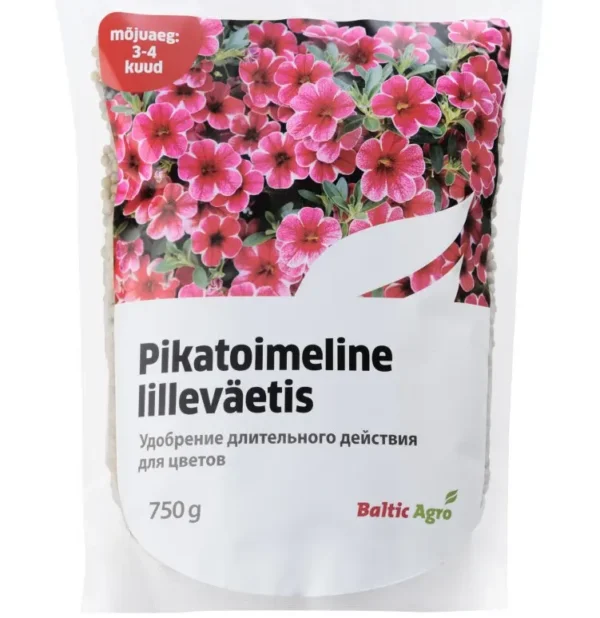
Slow-release fertilizers are still considered a niche product. In Estonian greenhouses, they are used much less frequently than compost, mineral fertilizers, or liquid feeds because they release nutrients gradually over several months.
Advantages:
- Minimal maintenance.
- Long-lasting nutrient supply.
- Reduced risk of over-fertilizing plants.
Disadvantages:
- Higher cost.
- More difficult to adjust plant nutrition during the growing season.
They are most commonly used by owners of ornamental plants, container gardens, and gardeners who prefer a low-maintenance approach.
Plant Care in Greenhouses Under Estonian Conditions
In Estonia’s climate, a greenhouse provides a longer growing season and a more stable microclimate, but it also requires a thoughtful approach to plant nutrition. Here are a few practical recommendations:
- Monitor your water’s pH. In many parts of Estonia, the water is hard and has a relatively high pH. When the pH is too high, plants absorb iron and other micronutrients less efficiently, which can lead to chlorosis (yellowing leaves) even when sufficient nutrients are present. For tomatoes, cucumbers, and peppers, the recommended pH range for the nutrient solution is typically 5.8–6.5, so regular monitoring is advised.
- Avoid over-fertilizing during cold weather or periods of low light. In early spring and autumn, plants absorb nutrients more slowly. Excess fertilizer can accumulate as salts in the growing medium, placing unnecessary stress on the root system. Adjust fertilization according to the plant’s growth stage and available light rather than relying solely on the calendar.
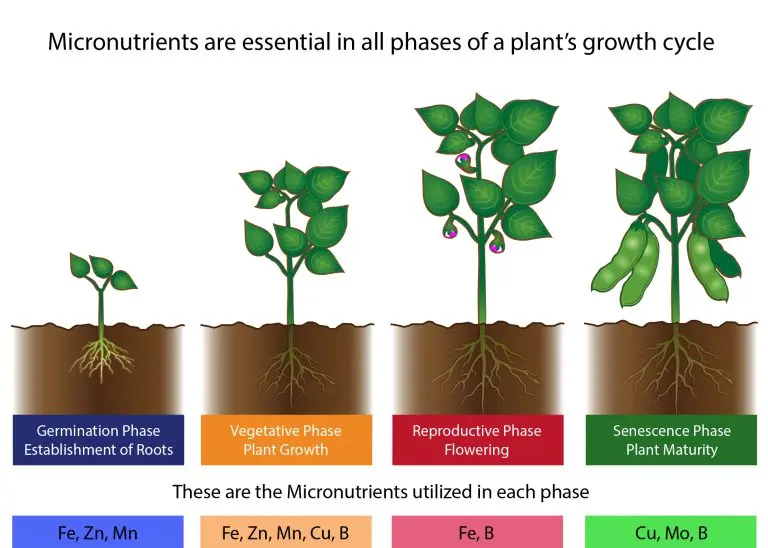
- Feed plants according to their growth stage. During vegetative growth, plants require higher levels of nitrogen. As they begin flowering and producing fruit, their demand shifts toward phosphorus and potassium. A fertilization program tailored to each stage of development is generally more effective than using the same formula throughout the season.
- Maintain a consistent nutrient concentration. One of the most common mistakes with manually mixed fertilizers is estimating the dosage “by eye.” Solutions that are too strong or too weak create fluctuations that can stress plants more than a slightly lower but consistently maintained nutrient level.
- Water in the morning. In the warm, humid environment of a greenhouse, evening watering increases the risk of fungal diseases. Morning watering allows plants to absorb moisture and nutrients efficiently throughout the day.
Many of these tasks — monitoring pH, maintaining a consistent nutrient concentration, and adjusting the nutrient mix according to each stage of plant development — require time and can easily become difficult to manage when done manually. That is why we are developing a device that automatically mixes liquid fertilizers in precise proportions based on the plant’s growth stage while also automatically adjusting the pH of the water.

What Do Gardeners in Estonia Typically Use
For most Estonian gardeners, the growing season follows a similar pattern. In spring, the soil is enriched with compost or well-rotted manure, while wood ash is often added as a natural source of potassium and calcium. Throughout the season, gardeners apply organic or mineral fertilizers, and during periods of active growth and fruit production, liquid fertilizers are commonly used because they are quickly absorbed by plants.

Automating Plant Care
In recent years, another clear trend has emerged among greenhouse owners — the move toward automation. Precise dosing of water and fertilizers saves time, eliminates the guesswork of manual mixing, and provides plants with consistent nutrition throughout the growing season — something that is difficult to achieve by hand.
With this in mind, we are developing a device that will automatically mix fertilizers with water in the correct proportions and adjust the water’s pH. To ensure it truly meets gardeners’ needs, we would like to better understand how you currently fertilize your plants.
Complete our short survey and receive a bonus. As a thank you for your feedback, you will be among the first to receive a discount on the pre-order of our device as soon as it becomes available.